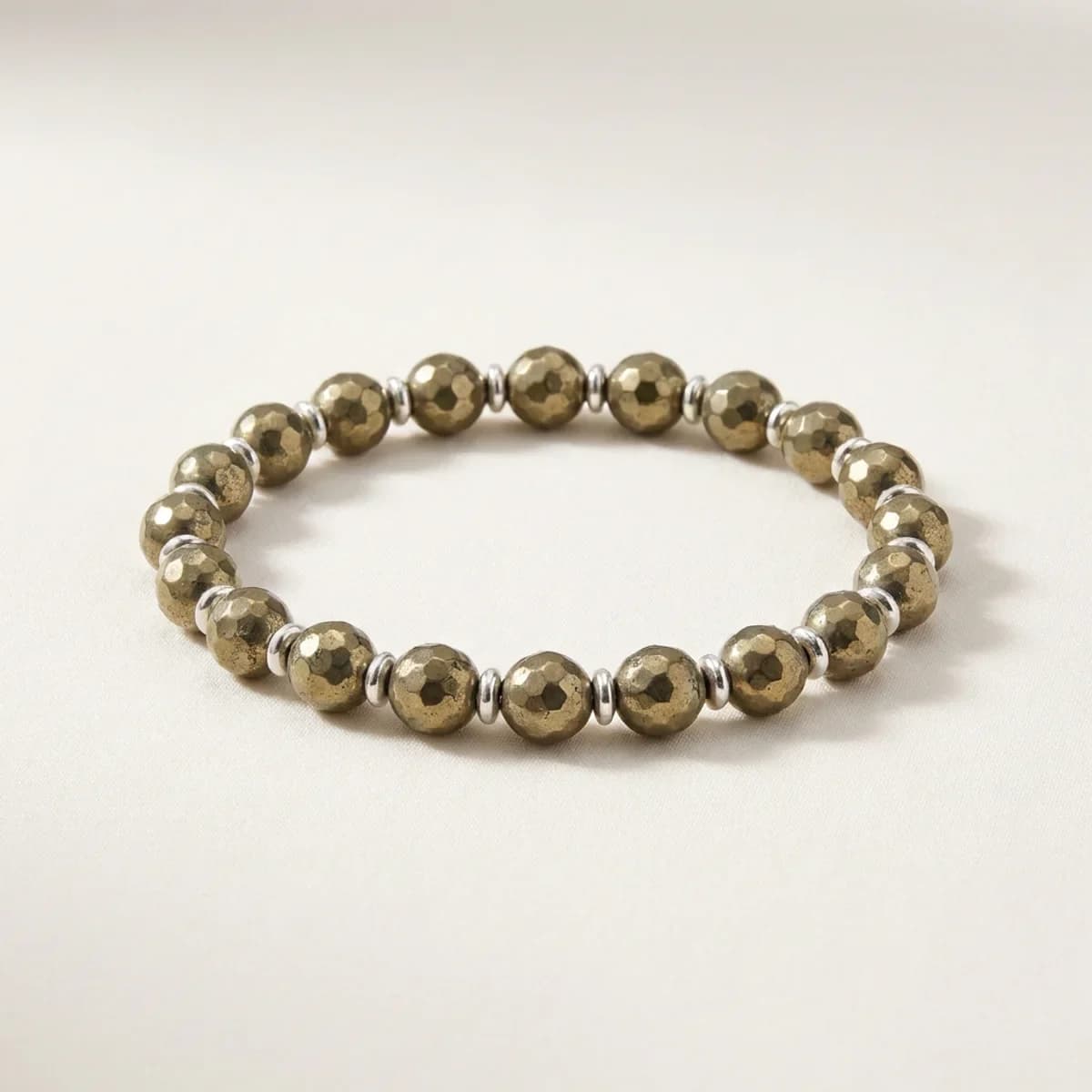
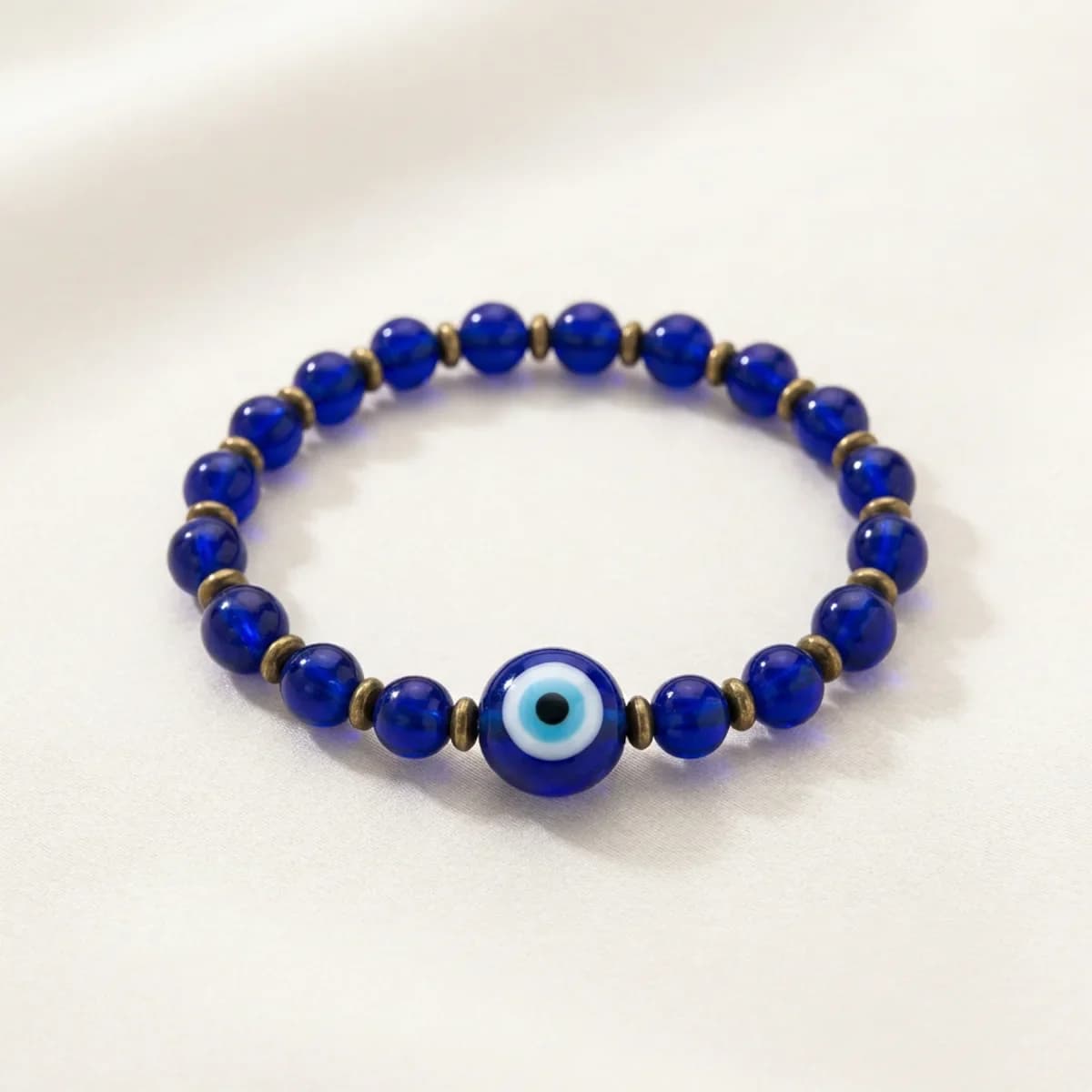
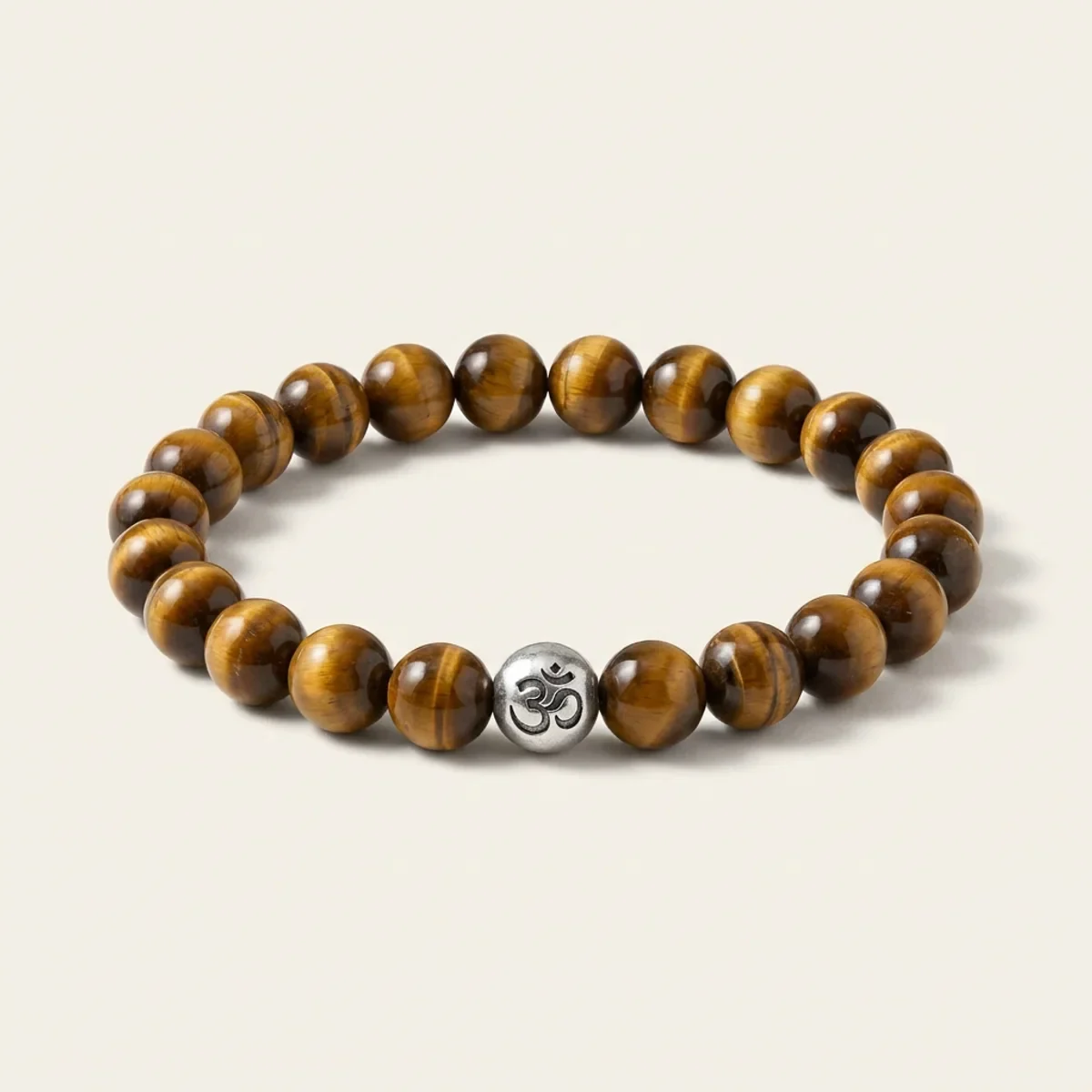
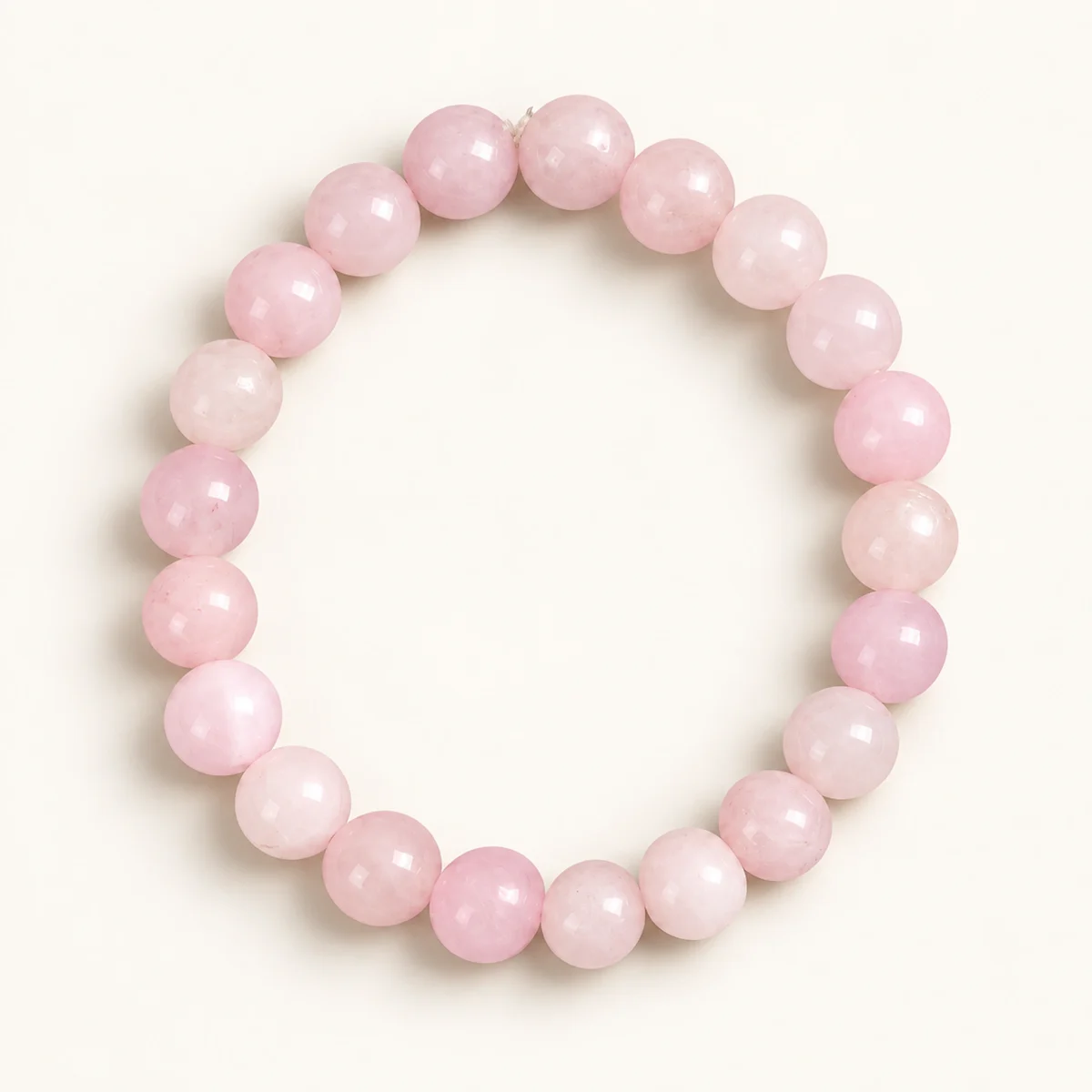
Blue Sapphire (Neelam) Bracelet — 10 mm Deep Blue Beads, Lab-Certified
✦ New — be the first to reviewEnergised & verified by DivineTatva's Vedic astrologers in our Jaipur atelier.


 RuPay
RuPay- Traditionally worn in Vedic practice to support discipline and steady effort, linked to Saturn (Shani).
- Associated with focus and clarity in long-term goals.
- Linked to the throat and third-eye chakras in crystal tradition, associated with clear thought and intuition.
- Traditionally chosen as a symbol of confidence and protection.
- Worn as a reminder to stay patient and disciplined through difficult periods.
- Disclaimer: these are traditional beliefs, not guaranteed or medical effects.
About this piece
A blue sapphire bracelet is a stretch band of 10 mm deep blue sapphire beads, one of the hardest natural gemstones after diamond. In Vedic tradition the stone is linked to Saturn (Shani) and is worn by people who want discipline, focus and steadiness. Its deep colour makes it a striking everyday piece for anyone who likes a classic look.
Specifications
How to wear
Wear it on the right wrist, as is customary for stones linked with Saturn, and many people check with a trusted astrologer before they begin. Saturday (Shanivar), the day of Saturn, is the traditional day to start. Remove it before bathing, swimming or applying perfume, and keep it away from harsh sunlight. Cleanse it by passing it through incense smoke or resting it on a selenite plate overnight.
Frequently asked
Which hand should I wear the blue sapphire bracelet on?
Wear it on the right wrist, as is customary for Saturn stones. Many people also check with a trusted astrologer before they start.
How can I tell if the sapphire is real?
Natural sapphire is very hard and does not scratch easily, and natural stones show small internal variations. A perfectly uniform colour can sometimes point to a synthetic or imitation stone, so message us on WhatsApp for close-up photos before you buy.
Who should wear a blue sapphire?
It is traditionally worn by adults who want discipline and focus, and astrologers often advise on suitability. If you have questions about your chart, speak with your astrologer first.
Can it get wet, and how should I care for it?
Remove it before bathing, swimming or applying perfume, and keep it dry when not worn. Clean it gently with a soft cloth.
How to verify this is genuine
Ruby and all sapphires are the same mineral, corundum, at Mohs 9 — the hardest gemstone after diamond. The numbers on the lab report do the real work here.
- 01Hardness 9
Corundum scratches quartz (7), topaz (8) and glass; nothing but corundum or diamond scratches it. Test on the pavilion, never the table.
- 02RI 1.762–1.770, SG 3.99–4.00
These must appear on the report and cannot be faked. Citrine reads 1.544/2.65; red garnet and spinel are singly refractive where corundum is doubly refractive.
- 03Curved lines mean synthetic
Under a 10× loupe, flame-fusion synthetic corundum shows curved growth striae and round gas bubbles. Natural stones show silk, angular colour zoning or fingerprint inclusions.
- 04The treatment line (ruby especially)
The report must state treatment explicitly. 'Heated' is standard and acceptable. 'Lead glass filled' or 'composite' means a stone that is part glass, etches in lemon juice and has near-zero resale value.
- 05Verify the certificate online
GIA, IGI, GRS or GTL Jaipur — check the report number on the issuing lab's own website. A large fake-certificate trade exists specifically for the Indian astrological market.
Read the honest guides
We publish what most sellers leave out — how to spot fakes, which hand to wear it on, the real side effects, and what a genuine piece should cost. Read first, buy after.
What buyers are saying
No reviews yet — be the first to share your experience.