Citrine Bracelet (Stone of Abundance & Wealth) — Natural Citrine 8mm/10mm Beads, Lab-Certified in Jaipur
✦ New — be the first to reviewThis piece is sold out. Available now: Natural Citrine Bracelet — Pale Honey 8mm Beads with Natural Inclusions — ₹699.
View Natural Citrine BraceletEnergised & verified by DivineTatva's Vedic astrologers in our Jaipur atelier.


 RuPay
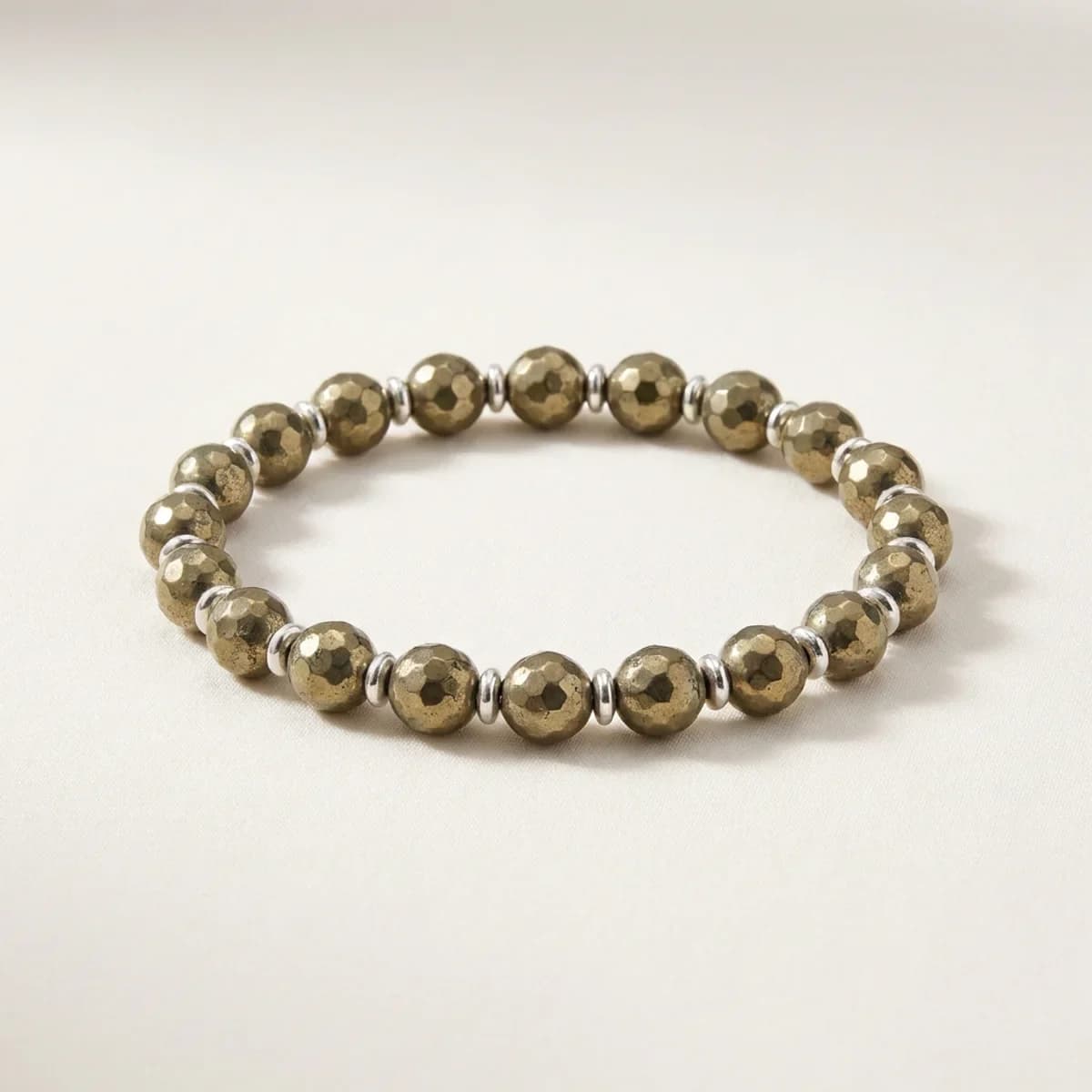
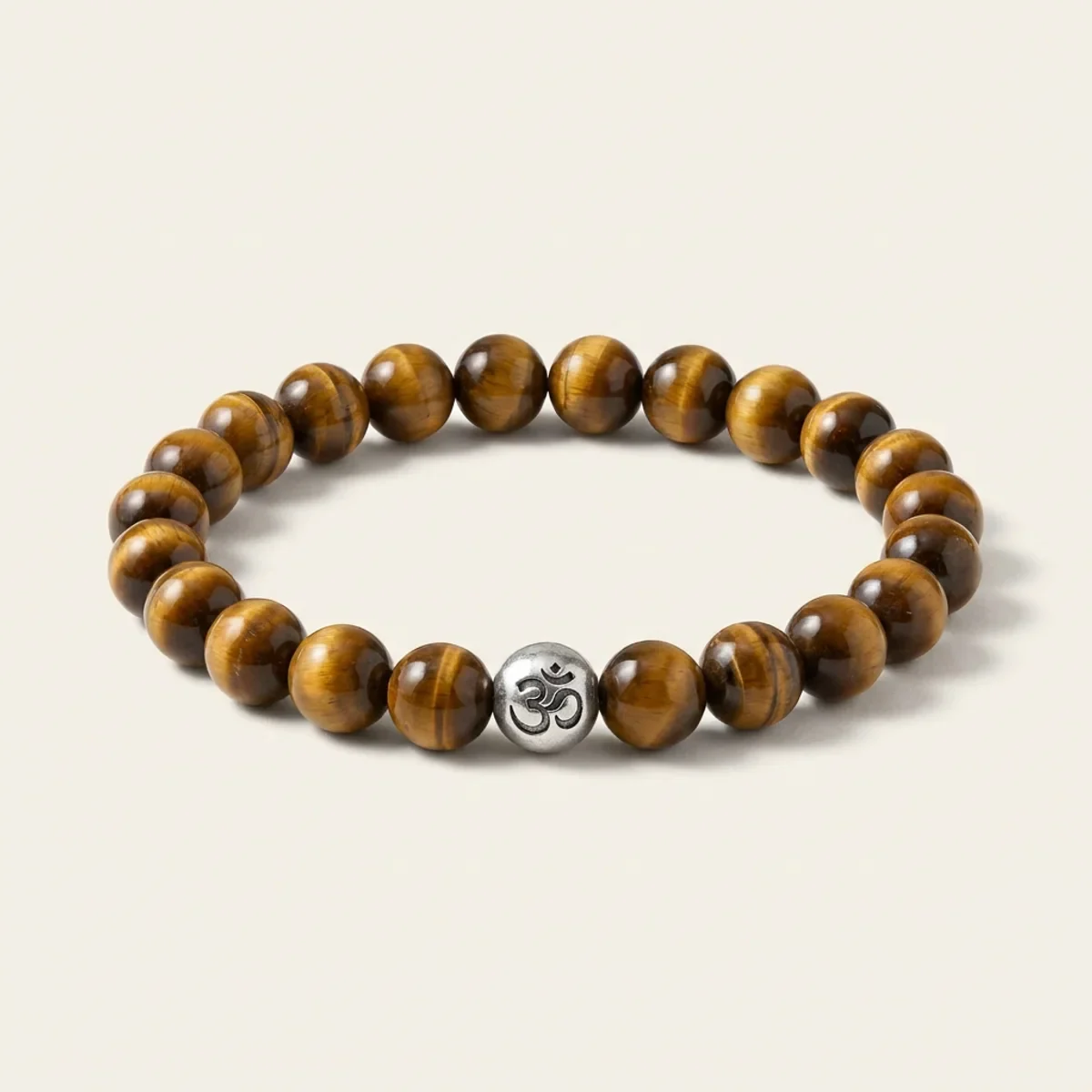
RuPayCitrine is one of the four stones in our Money Magnet Bracelet — Pyrite, Citrine, Tiger Eye and Green Aventurine together, ₹799. For six stones, see the Dhan Yog Bracelet.
- Traditionally called the merchant's stone — worn in Vedic and metaphysical belief to invite abundance, prosperity and business luck
- Linked to the solar plexus chakra and Jupiter (Guru), believed to support confidence, willpower and self-worth
- Many wearers report a felt sense of motivation, optimism and mental clarity, consistent with focused intention and ritual
- Its warm golden colour makes it a popular daily-wear reminder to act on goals and stay positive
- Used as a grounding ritual object to anchor a daily money or career sankalp (intention)
- Lab-certified in Jaipur with disclosed treatment status, so you know exactly whether your stone is natural or heat-treated
- No clinical or scientific proof of wealth or health effects — these are belief-based, culturally meaningful traditions, not guaranteed outcomes
- A supportive ritual that complements your own effort — not a substitute for medical, financial or professional advice
About this piece
A Citrine Bracelet is a stretch wristband of yellow-to-golden citrine quartz, traditionally called the "stone of abundance" or merchant's stone. This Jaipur-made, lab-certified piece (8mm or 10mm beads) is linked in Vedic belief to the solar plexus chakra and Jupiter, and is worn as a ritual support for prosperity, confidence and clarity.
Specifications
How to wear
Wear citrine on your left wrist — in Indian tradition the left side is the receiving, drawing-in hand, fitting for an abundance stone. Thursday (Guruvar), the day of Jupiter/Guru, is considered the most auspicious time to begin wearing it; slip it on after a bath in clean clothes. Hold the bracelet to your heart, take a slow breath, and set a clear sankalp (intention) — for example "I act with confidence and welcome prosperity through my effort." If you follow mantra, you may chant "Om Brim Brihaspataye Namah" 11 or 108 times to honour Jupiter, then wear it through the day. For care, citrine is durable but its golden colour can fade with prolonged sun exposure, so cleanse it briefly under moonlight, selenite or a quick water rinse and avoid leaving it in direct sunlight; keep it away from harsh chemicals, perfume and water while bathing. Re-set your intention weekly to keep the ritual meaningful rather than expecting the stone to work on its own.
Frequently asked
Which hand should I wear a citrine bracelet on?
Most people wear it on the left wrist. In Indian tradition the left side is the receiving hand that draws energy inward, which suits citrine's role as an abundance and prosperity stone. If you prefer your right hand or that is more comfortable for daily wear, that is fine too — the intention behind wearing it matters most.
How do I cleanse and charge my citrine bracelet?
Cleanse it briefly under moonlight, on a selenite plate, or with a quick rinse under running water, then set your intention (sankalp). Important caveat: citrine is durable but its golden colour can fade with prolonged sun exposure, so avoid charging it in direct sunlight for long periods. A short moonlight or moon-water cleanse once a week or two is plenty.
Does a citrine bracelet really work?
Honestly: there is no clinical or scientific proof that citrine creates wealth or changes health. Its links to prosperity, the solar plexus chakra and Jupiter come from Vedic and metaphysical tradition and belief. Many wearers report feeling more confident, focused and optimistic, which is consistent with intention, ritual and the placebo effect. Treat it as a supportive ritual alongside your own effort, not a guaranteed result.
How do I tell real citrine from fake or dyed glass?
Check a few tells: natural citrine often shows uneven colour zoning and subtle inclusions, while dyed glass looks too uniform and may have air bubbles. Real quartz feels cool and is hard (Mohs ~7) so it resists scratching from a steel blade. Genuine citrine can slowly fade in strong sun; bright orange-brown 'citrine' is usually heat-treated amethyst, which is still real quartz. The surest check is your Jaipur lab certificate, which states the stone identity and whether it is natural or heat-treated.
Is heat-treated citrine fake?
No. Most commercial citrine on the market is heat-treated amethyst — still genuine quartz, but its golden colour is produced in a kiln rather than naturally in the earth. Naturally yellow citrine is rarer and costs more. We disclose the treatment status of every piece on your certificate so you know exactly what you are buying instead of a vague 'certified natural' claim.
Who should wear a citrine bracelet?
It is popular with anyone seeking a confidence, motivation or prosperity ritual — entrepreneurs, students, professionals and people working on money or career goals. In Vedic astrology it is associated with Jupiter (Guru). There is no rashi that is barred from wearing it; choose it because the tradition and intention resonate with you. If you have specific astrological concerns, consult your astrologer.
Are there any side effects of wearing citrine?
Citrine is a quartz crystal and has no known physical side effects from normal wear. It is not medicine and makes no medical claims. If you have sensitive skin, the elastic cord rather than the stone is the only thing that might occasionally cause irritation; keep it clean and dry. It is a ritual and style object, not a substitute for medical, financial or professional advice.
Why is this citrine bracelet priced at Rs 899?
At Rs 899 (MRP Rs 1499) the price reflects lab-certified, Jaipur-made quartz with disclosed treatment status, a downloadable certificate, COD and free shipping. Naturally yellow citrine is rarer and costs more than heat-treated (amethyst-origin) citrine, and the treatment status on your certificate explains exactly which you are getting at this price.
How long does it take to see results?
There is no fixed or guaranteed timeline, because the benefits are belief-based rather than clinically proven. Many wearers say they notice a shift in mindset — more confidence or focus — within a few days of consistent wear and intention-setting. Think of it as a daily reminder that supports your own effort over weeks, not a switch that produces overnight wealth.
What is the best day to start wearing citrine?
Thursday (Guruvar) is traditionally considered the most auspicious day to begin, as it is the day of Jupiter (Guru), the planet linked to citrine. Wear it after a bath in clean clothes, set your intention, and optionally chant 'Om Brim Brihaspataye Namah'. If Thursday is not convenient, any day works — the consistency of your ritual matters more than the exact start date.
Can I wear my citrine bracelet every day?
Yes, it is durable (Mohs ~7) and made for daily wear. Just protect the colour: avoid leaving it in prolonged direct sunlight, remove it before bathing, swimming or housework, and keep it away from perfume and harsh chemicals. Wipe it occasionally and re-set your intention now and then to keep the ritual meaningful.
Should I choose 8mm or 10mm beads?
8mm beads are lighter, more discreet and suit smaller wrists or everyday office wear. 10mm beads are bolder, have more visual presence and feel more substantial — popular for statement wear. Both are the same certified citrine; the choice is about comfort and look. Use the wrist-measurement guide to pick the right fit before ordering.
How to verify this is genuine
Amethyst, citrine, rose quartz, aventurine, tiger eye, jasper and carnelian are all quartz-family stones at Mohs 7 — hard, inert and cool to the touch. Their common fake is dyed glass or dyed howlite, and every test below separates the two without equipment.
- 01Temperature
Real stone stays cool in your closed hand for several seconds. Glass warms in about a second; plastic almost instantly.
- 02Bead-to-bead variation
Natural beads differ slightly in tone, banding and inclusions. Identically bright, perfectly matched beads mean machine dye.
- 03Air bubbles
Hold a bead to light under a 10× loupe. Round internal bubbles appear in glass and never in natural quartz.
- 04Acetone swab
Rub a bead with nail-polish remover on cotton. Dyed beads transfer colour; natural stone does not. This is also the test for the wrist rashes people blame on 'energy' — it is the dye.
- 05Scratch
Quartz at Mohs 7 will scratch glass (5.5) and steel. If a bead scuffs against a steel key, it is not quartz.
Read the honest guides
We publish what most sellers leave out — how to spot fakes, which hand to wear it on, the real side effects, and what a genuine piece should cost. Read first, buy after.
What buyers are saying
No reviews yet — be the first to share your experience.