Taurus (Vrishabh Rashi) Bracelet — Green Aventurine & Pyrite, Lab-Certified
✦ New — be the first to reviewEnergised & verified by DivineTatva's Vedic astrologers in our Jaipur atelier.


 RuPay
RuPay- Traditionally worn to welcome prosperity and steady growth.
- Associated with confidence and a patient, practical outlook.
- Linked to the heart chakra in crystal tradition.
- Said to support motivation during long-term goals and change.
- Often chosen as a reminder to enjoy the good things in life.
- Disclaimer: these are traditional beliefs, not guaranteed or medical effects.
About this piece
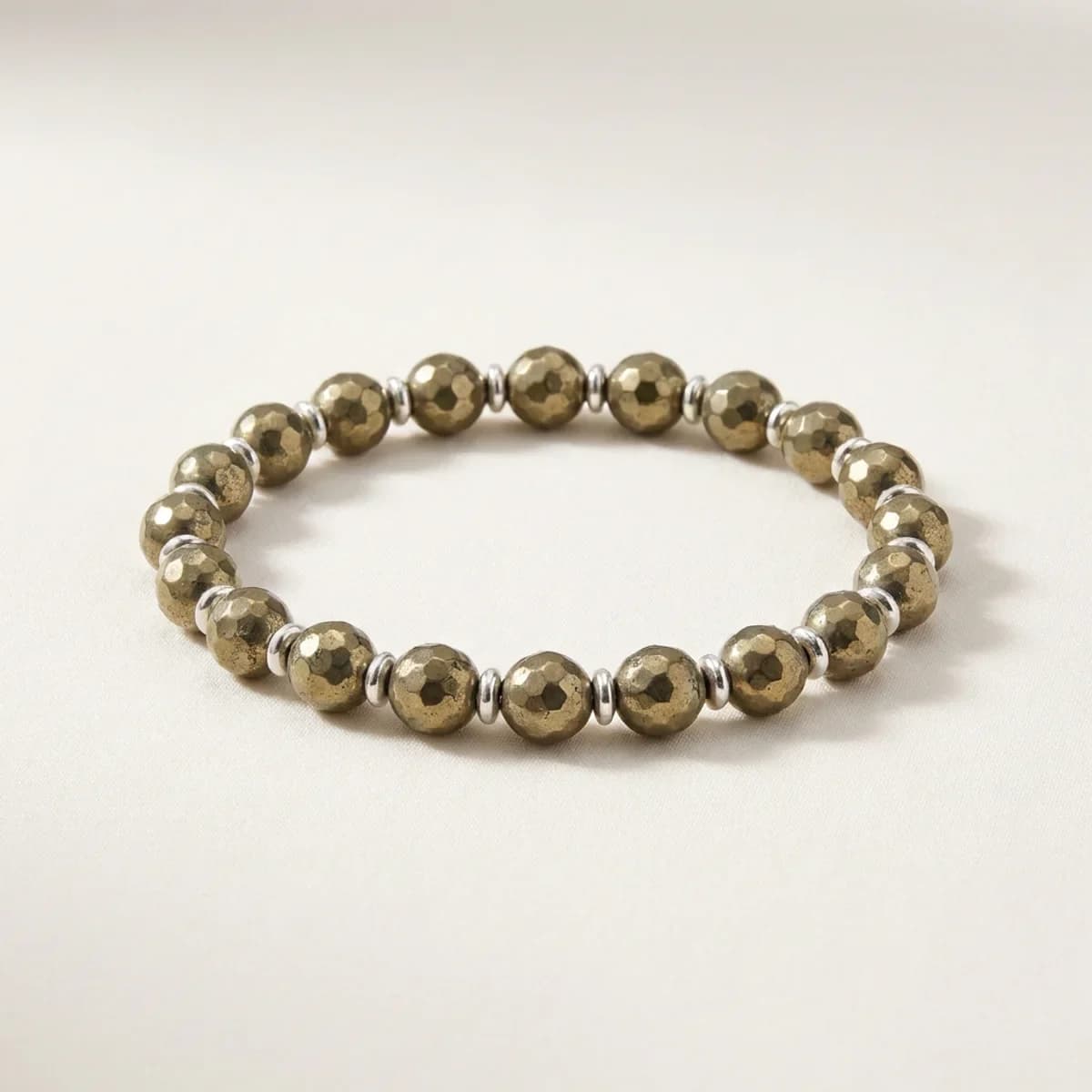
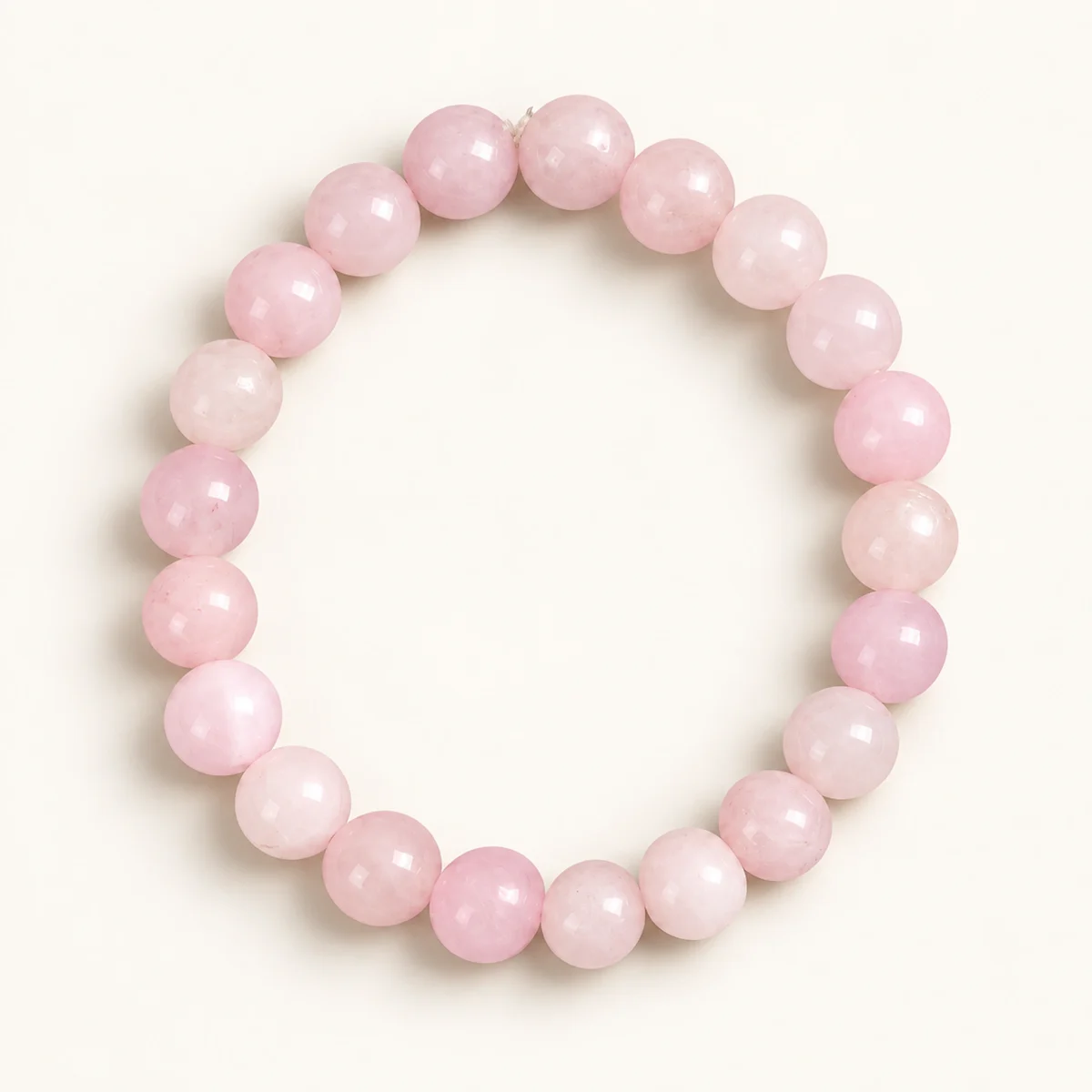
A Taurus (Vrishabh Rashi) bracelet is a stretch band of green aventurine and pyrite beads, a shimmering green quartz and a golden, metallic stone. Vedic tradition pairs Taurus with Venus, its ruling planet, and both stones are linked with growth, good fortune and steady confidence. It is worn by those born under Taurus to welcome prosperity and a patient, grounded outlook.
Specifications
How to wear
Wear it on the left wrist, the side often chosen for Venus-ruled stones. Friday (Shukravar), the day of Venus, is the customary day to begin. Remove it before bathing, swimming or applying perfume. Cleanse it with incense smoke or by resting it overnight on a selenite plate.
Frequently asked
Which hand should a Taurus bracelet be worn on?
Wear it on the left wrist and begin on a Friday if you follow the custom. It is unisex, so either wrist is fine.
How can I tell real aventurine from glass?
Real aventurine has tiny shimmering flecks inside the stone. Glass looks smoother with no inner sparkle.
Who should wear a Taurus bracelet?
It is traditionally chosen by those born under Taurus, and anyone who likes Venus-linked stones can wear it.
Does it get wet, and how should I care for it?
Remove it before bathing or swimming, as pyrite can tarnish with moisture. Wipe it dry after wear and keep it away from perfume.
How to verify this is genuine
Pyrite is iron disulphide — metallic brass-gold, Mohs 6–6.5, and brittle. Its lookalike is not usually a fake stone but plated brass or resin, and its real enemy is water.
- 01Streak test
Drag pyrite across unglazed ceramic: it leaves a greenish-black streak. Gold and brass leave a yellow streak.
- 02Crystal form
Natural pyrite shows flat faces and cubic or striated structure even in tumbled beads. Perfectly smooth, uniform gold spheres are plated.
- 03Weight
Pyrite is dense (SG ~5.0) — a pyrite bracelet feels distinctly heavy for its size. Plated resin is light.
- 04Spark test (loose stone only)
Struck against steel, pyrite sparks — the property that gave it the name (Greek pyr, fire). Do not attempt on a strung bracelet.
Care note — Care matters more than authentication for pyrite: it oxidises in moisture and can disintegrate. Keep it dry — never wash it, never salt-water cleanse it, and remove it before bathing or workouts.
Read the honest guides
We publish what most sellers leave out — how to spot fakes, which hand to wear it on, the real side effects, and what a genuine piece should cost. Read first, buy after.
What buyers are saying
No reviews yet — be the first to share your experience.