Yellow Citrine Bracelet (Heat-Treated & Dyed) — Bright Golden 8mm Beads
✦ New — be the first to reviewEnergised & verified by DivineTatva's Vedic astrologers in our Jaipur atelier.


 RuPay
RuPay- Traditionally called the merchant’s stone — worn in Vedic and crystal belief to invite abundance, prosperity and business luck
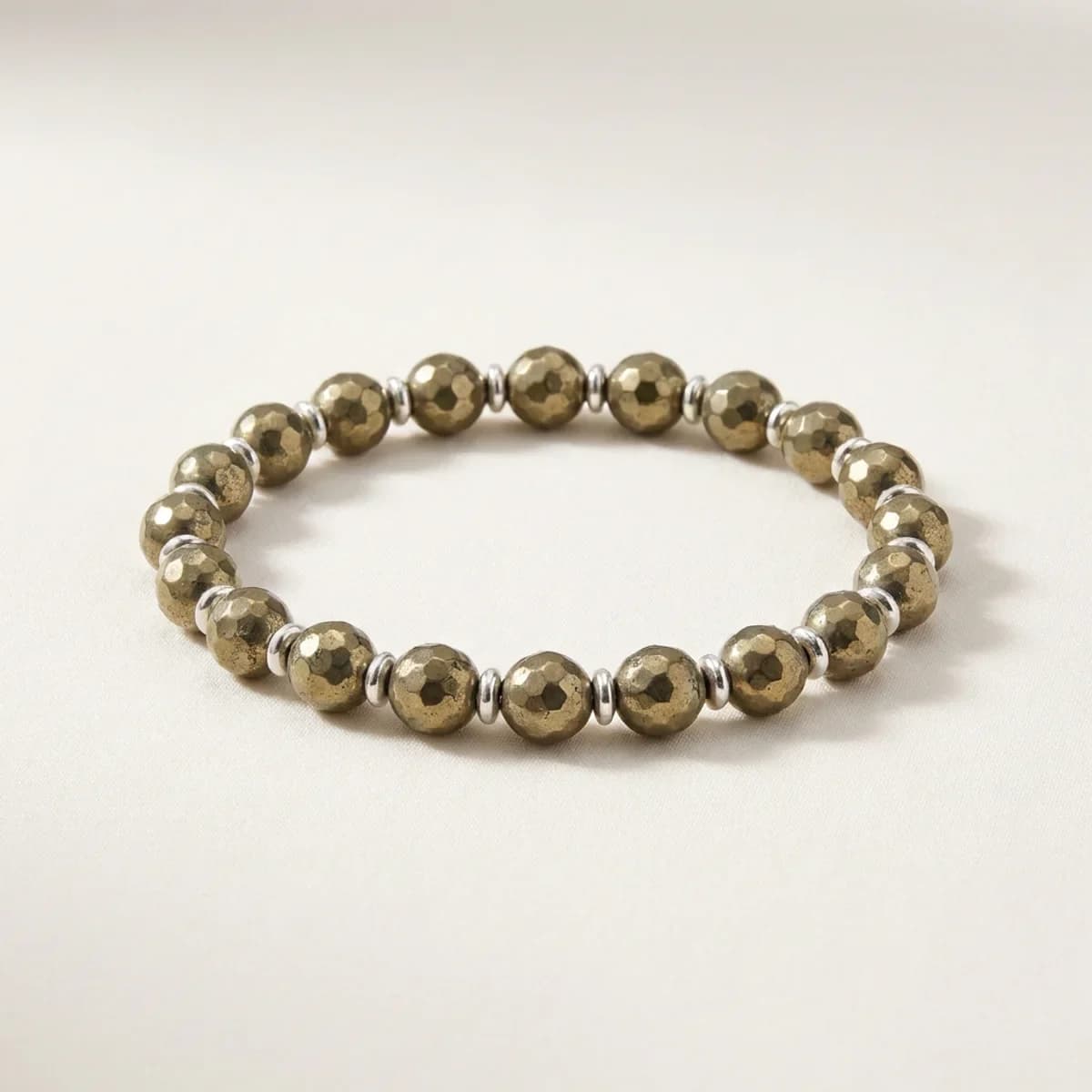
- Linked to the solar plexus (Manipura) chakra — worn for confidence, motivation and clear decisions
- Associated with Jupiter (Guru) in Indian tradition — popular with business owners, traders and students
- A bright, everyday reminder of a money or career goal on the wrist
- Unisex stretch design — easy to wear daily and to stack with pyrite or green aventurine
- Disclaimer: these are traditional beliefs, not guaranteed or medical effects.
About this piece
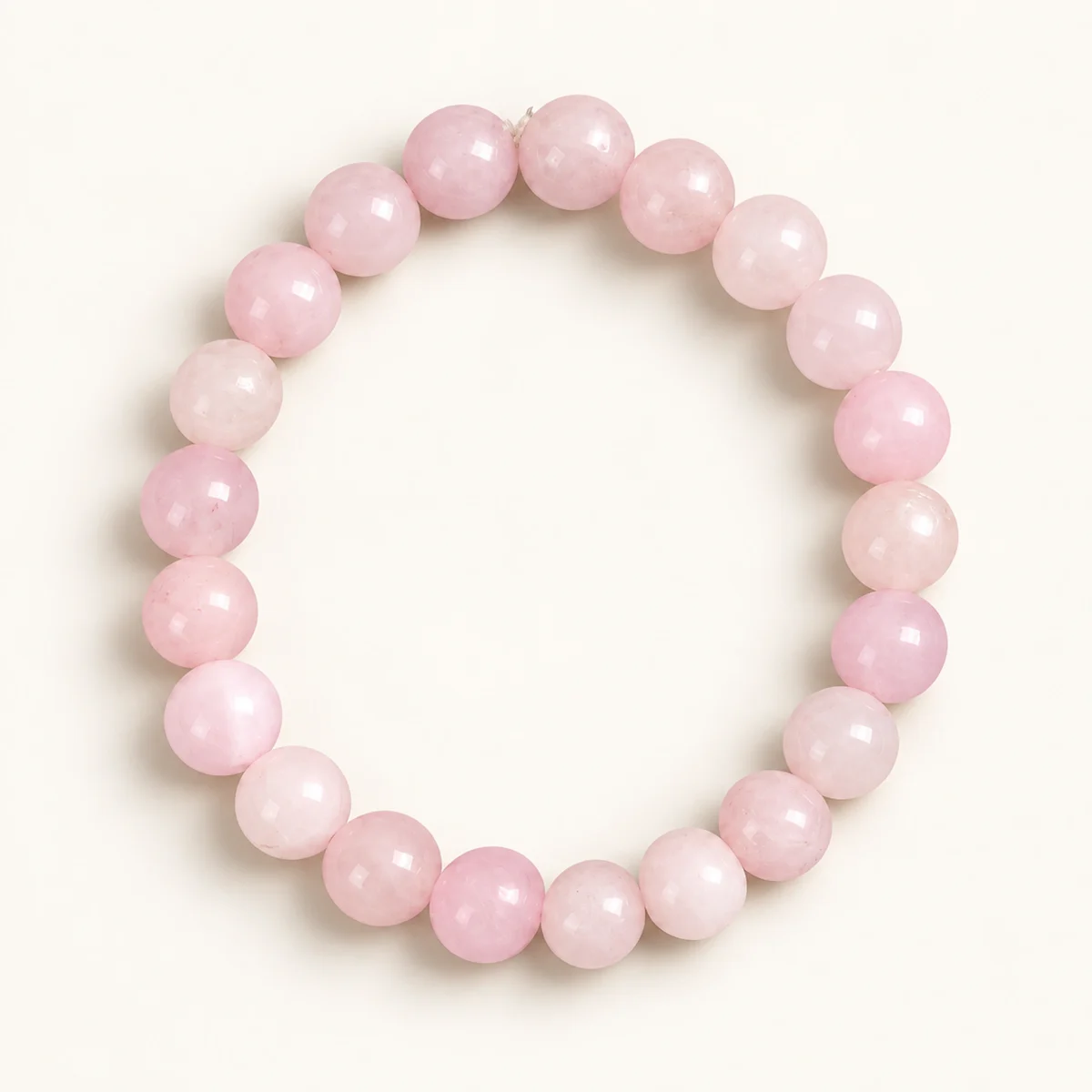
A Yellow Citrine Bracelet is a stretch band of round, polished 8mm citrine-quartz beads that are heat-treated and dyed for a bright, even golden-yellow colour. Citrine is the “merchant’s stone” worn in Indian and crystal tradition for abundance, confidence and business luck. The treatment is disclosed openly and on the Jaipur lab report — for untreated colour, see our Natural Citrine Bracelet.
Specifications
How to wear
Wear it on the left wrist — in Indian tradition the receiving hand, fitting for an abundance stone. Thursday (Guruvar, Jupiter’s day) is the customary day to start. Roll the stretch band on rather than pulling the cord. Remove it before bathing, swimming or applying perfume, and keep it out of long, strong sunlight — citrine’s colour can fade. Cleanse with incense smoke or a night on a selenite plate.
Frequently asked
Which hand should I wear a citrine bracelet on?
Most people wear it on the left wrist, the receiving side in Indian tradition. Thursday is the customary day to start.
Should I choose 8mm or 10mm?
8mm suits most wrists and looks understated (₹699). 10mm is bolder and suits larger wrists or a men’s look (₹799).
Is this citrine natural or treated?
This bracelet is heat-treated and dyed quartz-citrine, which gives the bright, even golden colour. We state it openly and on the lab report. If you want natural-colour citrine, choose our Natural Citrine Bracelet (pale honey beads with natural inclusions).
Can a citrine bracelet get wet?
Brief contact is fine, but remove it for bathing and swimming — water weakens the elastic, and perfume can dull the polish.
Does a citrine bracelet attract money?
There is no scientific evidence that it does. It is worn as a tradition and a daily reminder of a money or career goal.
How to verify this is genuine
Amethyst, citrine, rose quartz, aventurine, tiger eye, jasper and carnelian are all quartz-family stones at Mohs 7 — hard, inert and cool to the touch. Their common fake is dyed glass or dyed howlite, and every test below separates the two without equipment.
- 01Temperature
Real stone stays cool in your closed hand for several seconds. Glass warms in about a second; plastic almost instantly.
- 02Bead-to-bead variation
Natural beads differ slightly in tone, banding and inclusions. Identically bright, perfectly matched beads mean machine dye.
- 03Air bubbles
Hold a bead to light under a 10× loupe. Round internal bubbles appear in glass and never in natural quartz.
- 04Acetone swab
Rub a bead with nail-polish remover on cotton. Dyed beads transfer colour; natural stone does not. This is also the test for the wrist rashes people blame on 'energy' — it is the dye.
- 05Scratch
Quartz at Mohs 7 will scratch glass (5.5) and steel. If a bead scuffs against a steel key, it is not quartz.
Read the honest guides
We publish what most sellers leave out — how to spot fakes, which hand to wear it on, the real side effects, and what a genuine piece should cost. Read first, buy after.
What buyers are saying
No reviews yet — be the first to share your experience.